|
GO PADDLE No. 28 · SLALOM SERIES ①
Canoeing’s Hidden Face: Racing the Whitewater
2025 Inje Canoe Slalom Training Camp, Korea
|
|||||||||||||||||||||||
|
|||||||||||||||||||||||
| 한국어로 보기 | |||||||||||||||||||||||
|
Hi from GO PADDLE 👋 It’s been eight months since our last issue (No. 27, January 27) — thank you so much for waiting 🙏 We’re back with something refreshing: whitewater 🌊 Change the water, and the same canoe becomes a whole different sport. Over the next three issues, we’ll take you into canoe slalom 🛶
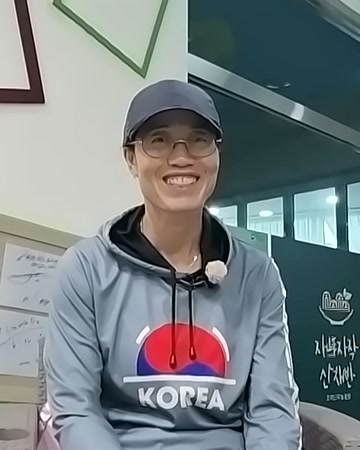
We asked a coach who took up canoeing in 1987 and now trains athletes in Pohang how well-known her sport is in Korea. She laughed before she answered.
(In Korean, “canoe” sounds much like “hanwoo,” the country’s famous native beef.) For the half who do know canoeing, the picture is usually sprint: straight lanes on flat water. Sprint has long been the backbone of Korean canoeing too.
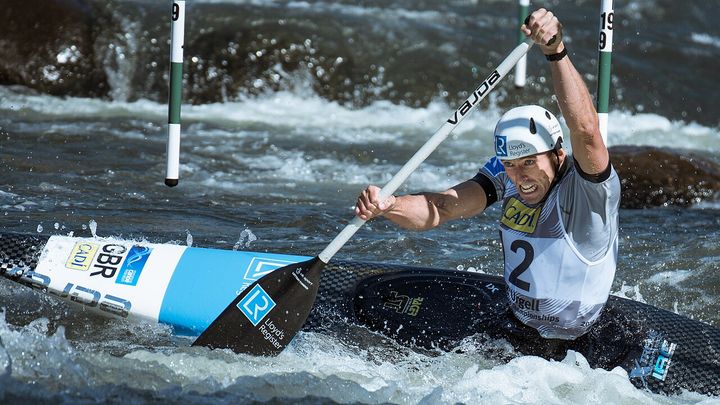
But canoeing has another face. No lanes, water surging the wrong way, and a string of gates hanging over the rapids that you must thread one by one: canoe slalom. In September 2025, Inje’s Naerincheon River hosted Korea’s first-ever three-day slalom training camp led by a world-class coach from abroad. 🛶
|
|||||||||||||||||||||||
|
⏱️ Slalom in 30 seconds
A 100-second race through whitewater and gates
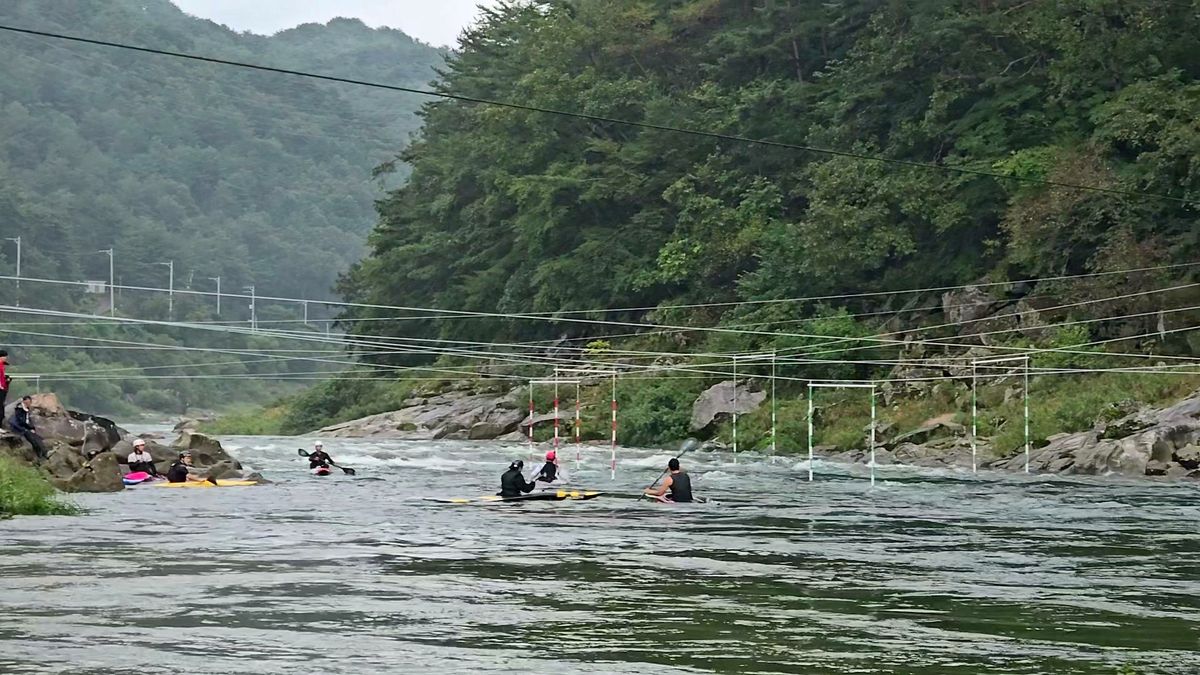
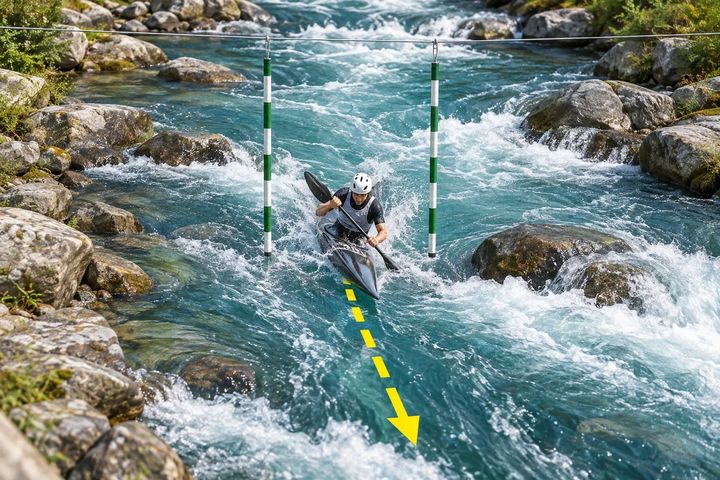
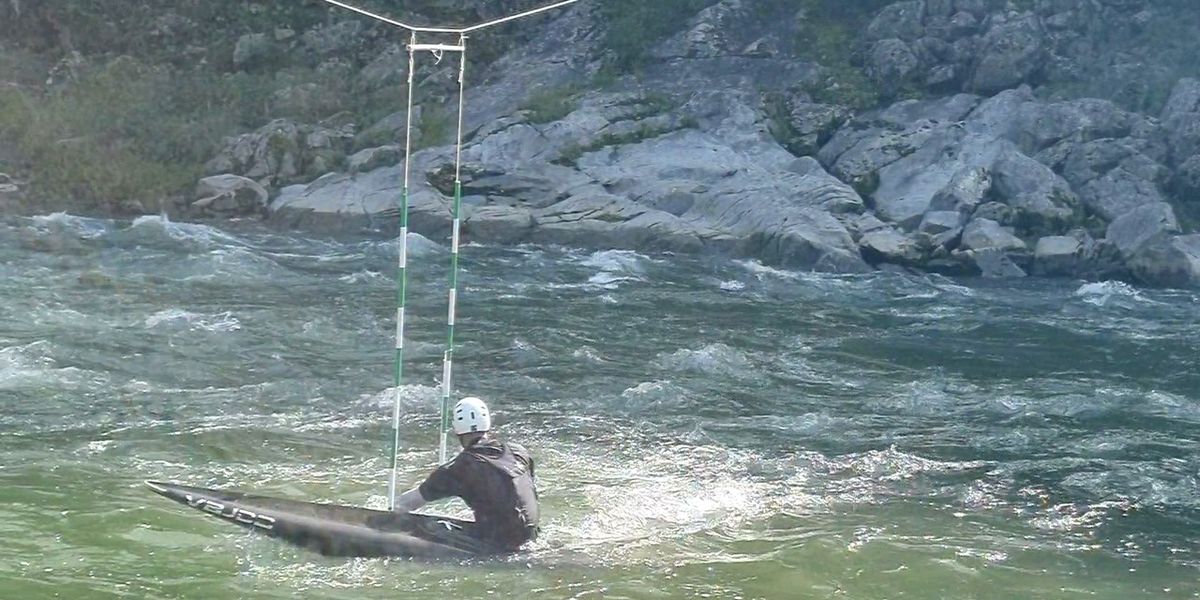
Gates on the Naerincheon River, Inje · Sept 16, 2025
The rules are simpler than they look. You race down a whitewater course hung with about 20 gates (each gate is a pair of poles), aiming for the fastest run. Gate placement is set by a course designer, who adjusts the difficulty so that top athletes finish in 90–110 seconds. For men’s K1, a run usually takes about 95 seconds.
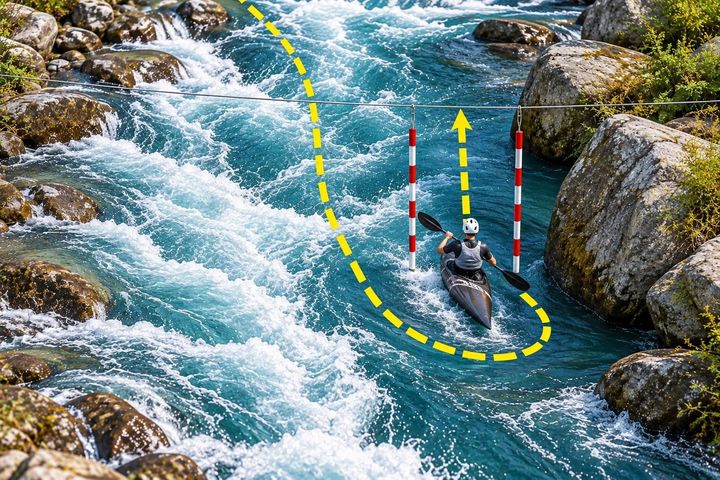
AI-generated images · tap to enlarge
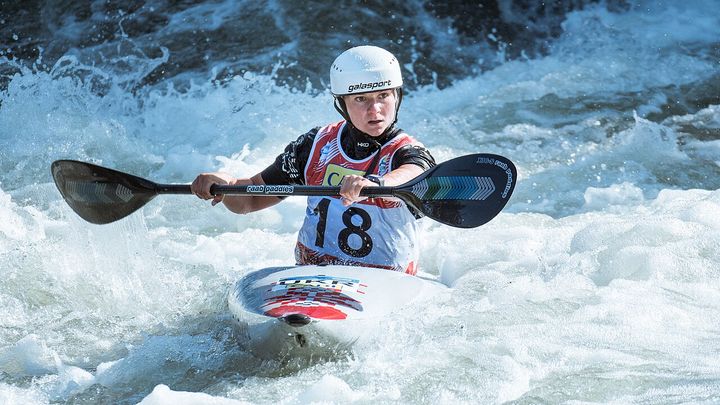
There are two kinds of boats. Both are closed-deck boats that look alike; what differs is how you sit and paddle. In a kayak (K1) you sit and use a double-bladed paddle; in a canoe (C1) you kneel and use a single-bladed paddle. The Olympics feature men’s and women’s K1 and C1, and since Paris 2024 also Kayak Cross, where four paddlers start together and race side by side, bumping as they go — six events in all. The man who first proposed the original idea of Kayak Cross was the special guest coach at this camp.
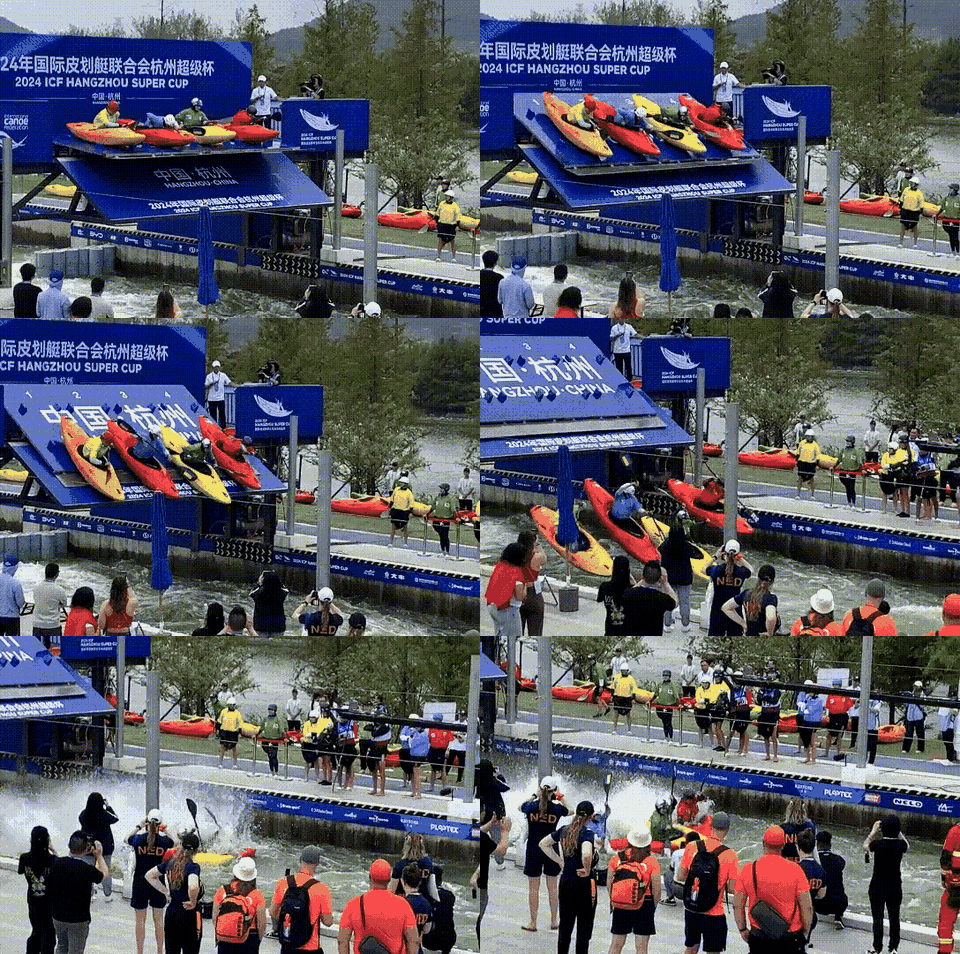
The Kayak Cross start — the ramp tips and four paddlers hit the water together · 2024 ICF Hangzhou Super Cup · Photo 三猎 · Wikimedia Commons original · CC BY 4.0
📊 Sprint vs slalom at a glance
At the Olympics, sprint has 10 events to slalom’s 6, and nearly three times as many athletes. Look at the venues, though: LA 2028’s slalom will be held not in Los Angeles but at an artificial whitewater venue in Oklahoma City. Sprint only needs calm water. Slalom has to go wherever a whitewater course exists.
|
|||||||||||||||||||||||
|
🛶 The thrill of paddling
“Humans can’t beat nature”
Kim Young-mi, who coaches both sprint and slalom, explained the key difference like this.
If a sprinter races the paddler in the next lane and the stopwatch, a slalom paddler races water that changes from moment to moment. The winner isn’t the strongest but the one who reads the water first. No two runs are ever the same — that is slalom’s irresistible appeal.
Sprint athletes who joined the camp were won over too.
An “upstream gate” is the red gate we saw earlier. Kim Yo-seph picked the sport’s hardest move as its most fun moment. Also striking: a short slalom boat is easier to balance than a long, narrow sprint boat. The sport looks scary, but the boat itself is kinder to beginners.
|
|||||||||||||||||||||||
|
👀 The thrill of watching
A “Wow!” even if you don’t know the rules
Slalom is designed to be watched
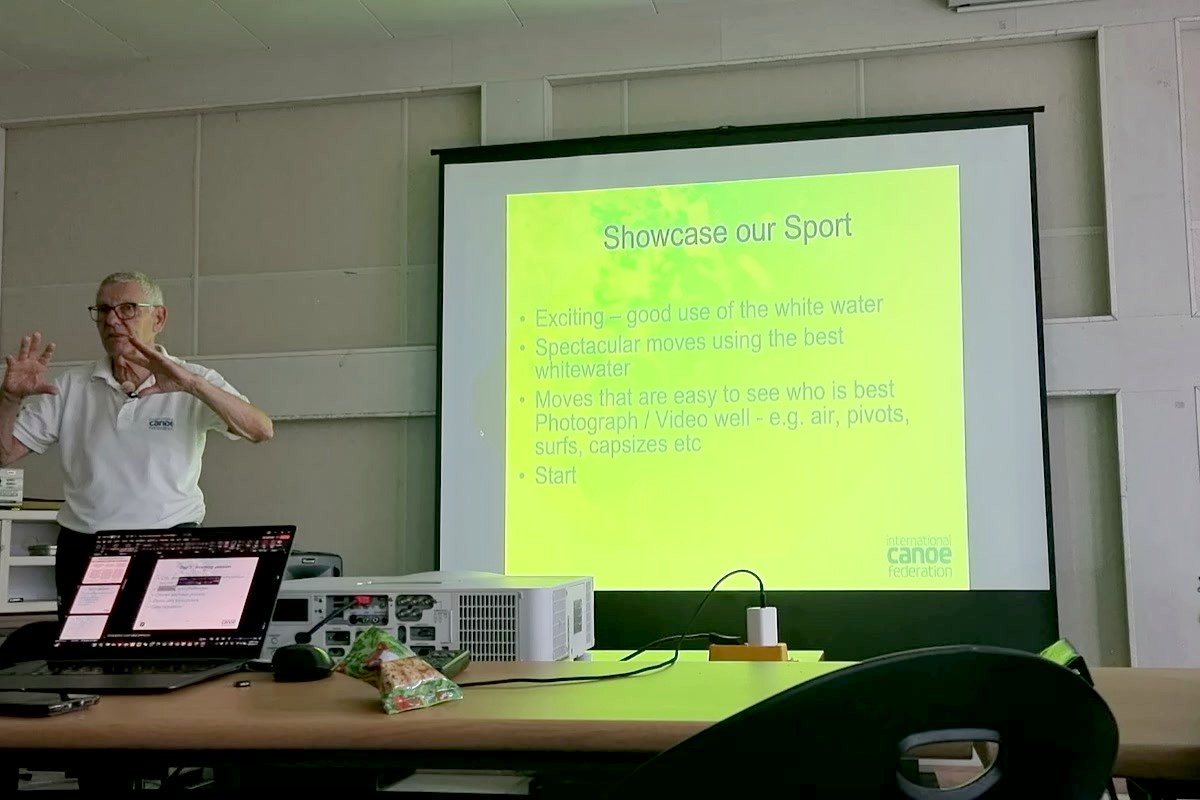
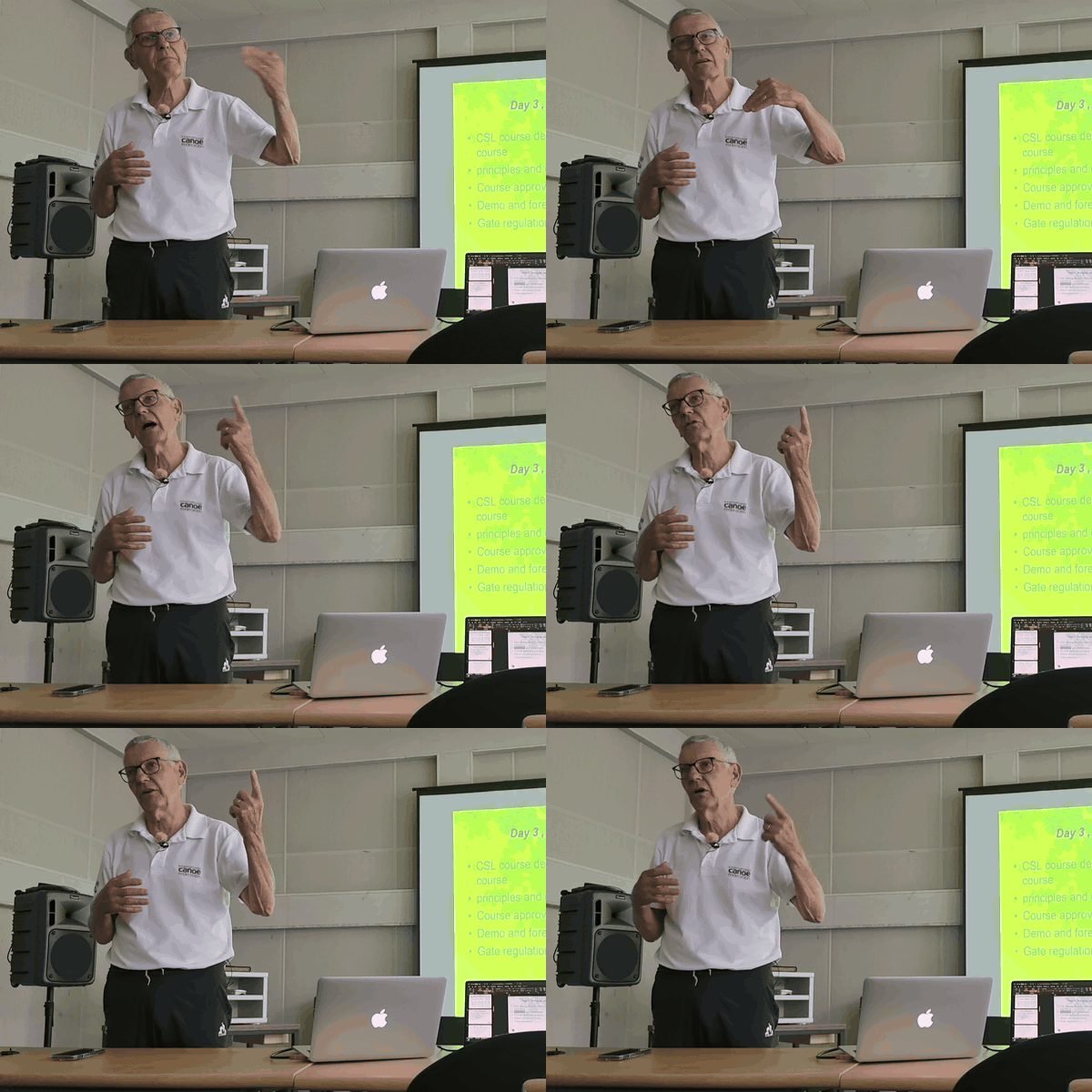
The slide behind him reads “Showcase our Sport” · day-3 lecture, 2025.9.17
On day three, Jean-Michel Prono explained why spectators love slalom.
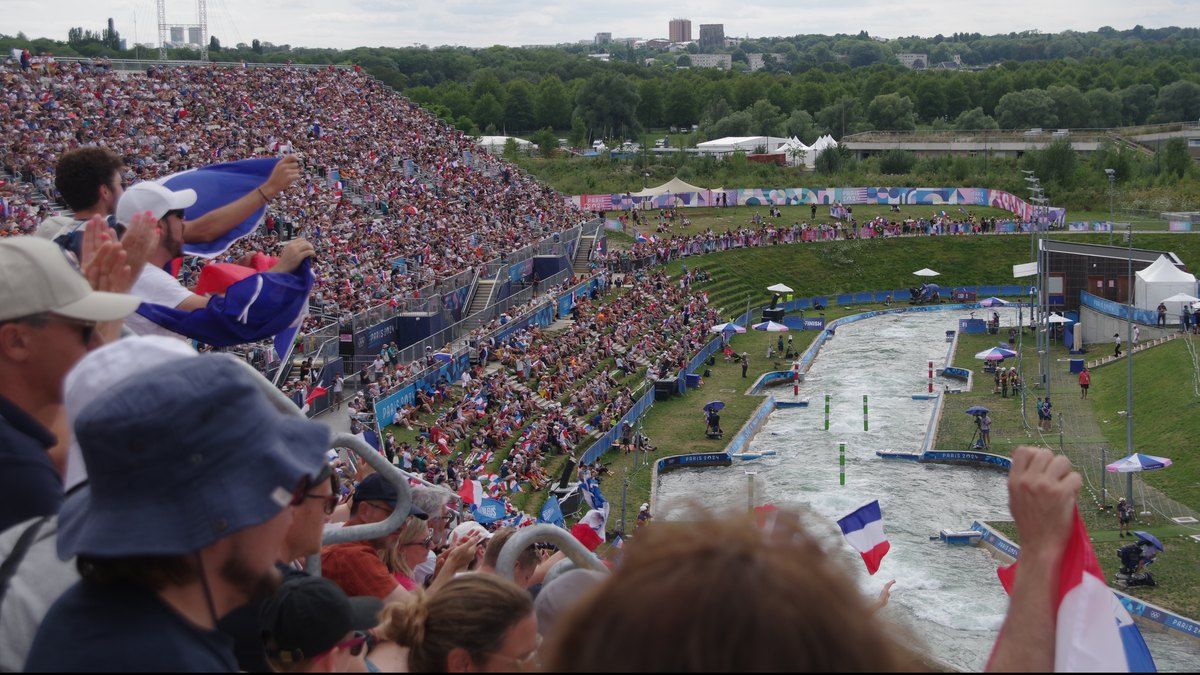
After leading the International Canoe Federation’s slalom committee for 20 years, he locates slalom’s success not in times but in that “Wow!” Exploding spray, boats spinning upstream, a single mistake costing 50 seconds — you don’t need to know the rules to be hooked. And because it is a controlled show, with helmets and buoyancy aids, it is the best possible showcase for the sport.
|
|||||||||||||||||||||||
 Korea today Slalom, Korea’s “sore finger” — and a new challenge
Why has such an exciting sport stayed so quiet in Korea?
The numbers answer first. At the 2026 Aichi-Nagoya Asian Games in Japan, Korean canoe sprint won two gold medals. On September 24 the men’s K4 500 m beat China by 0.255 seconds, and the next day Cho Gwang-hee and Kim Hyo-bin won the men’s K2 500 m, edging Japan by 0.317 seconds — Korea’s first gold in that event in 36 years, since Beijing 1990. A classic sprint victory, decided by thousandths of a second.
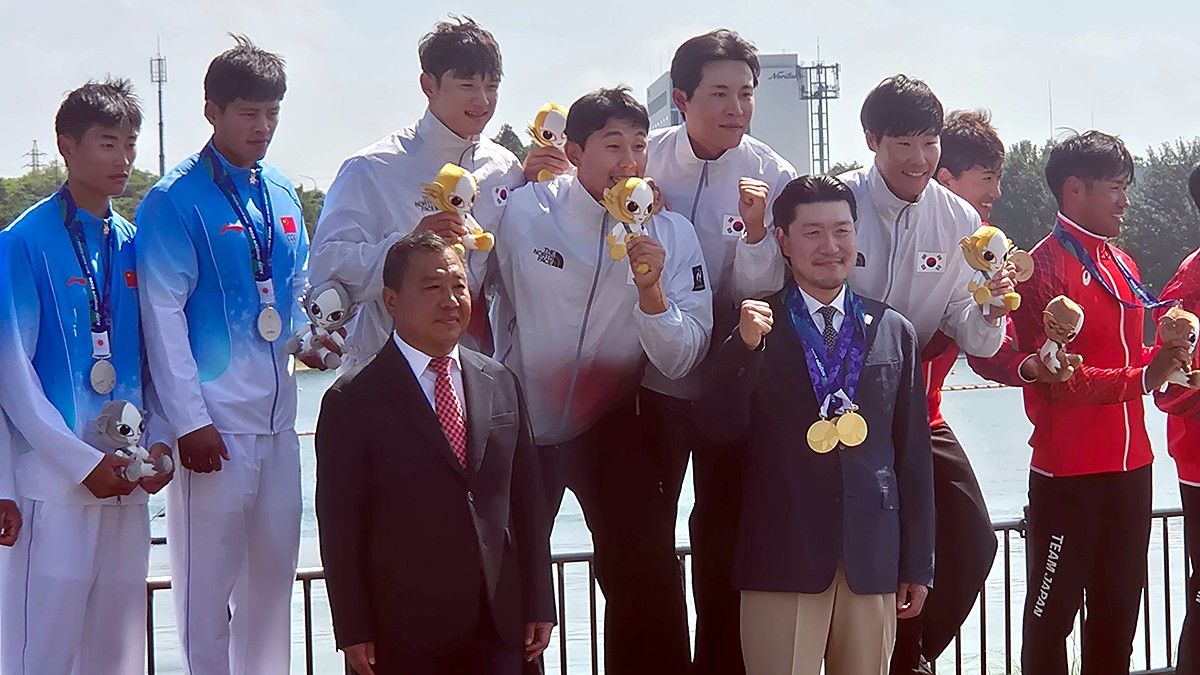
Men’s K4 500 m medal ceremony — Korea gold (centre), China silver (left), Japan bronze (right). Korea’s crew, from left: Choi Min-gyu, Jang Sang-won, Kim Hyo-bin and Jo Gwang-hee. In front: Asian Canoe Confederation Vice President Li Xin (left) and Secretary General Jake Eunsuk Kim · Sept 24, 2026 · Photo Korea Canoe Federation
The slalom races run from September 29 to October 2 on the Yahagi River slalom course. The team sizes tell the story: sprint sent 11 athletes and 4 coaches, slalom 3 athletes and 1 coach. Kim Young-mi explained where that gap comes from.
In Korea, student athletes build their futures on National Sports Festival medals. Sports that aren’t on the program struggle to form teams, and without teams, athletes don’t come. It’s less that slalom is weak and so isn’t in the Festival, and more that it grew weak because it isn’t.
Kim Hyun-su, who now coaches the national slalom team, crossed that gap on his own.
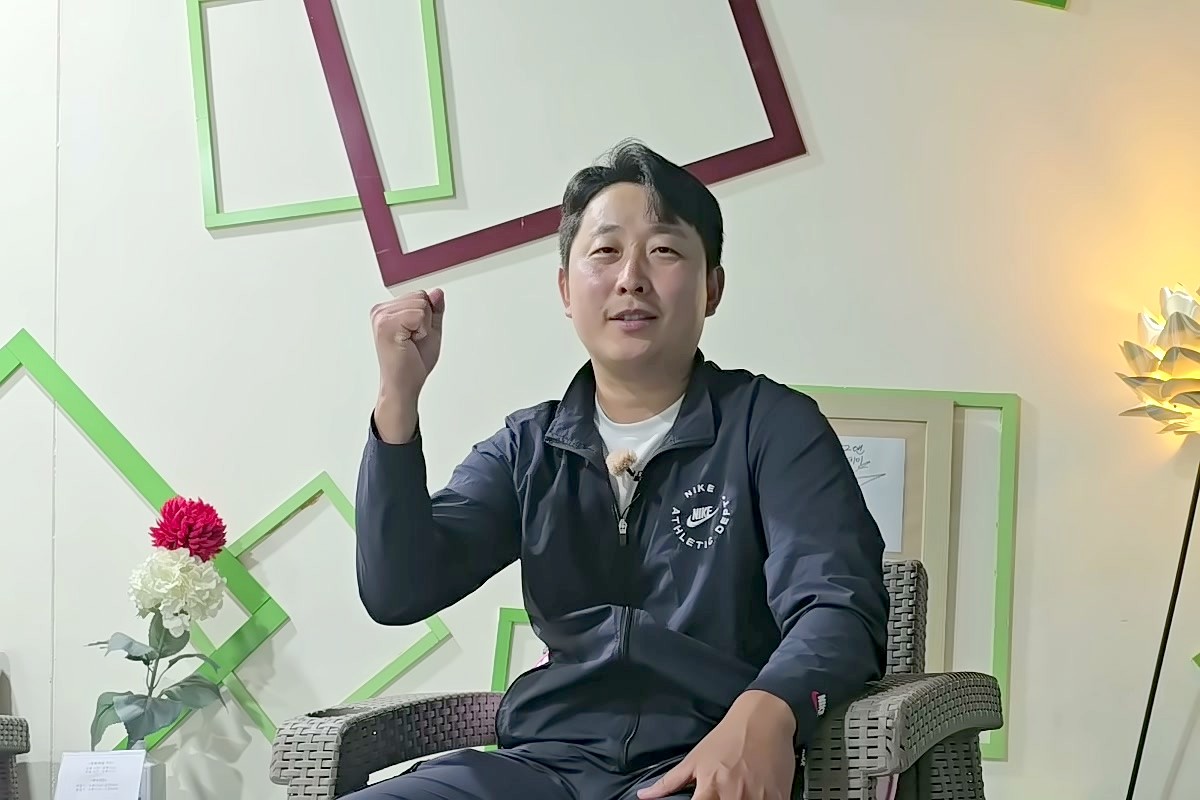
The young man who wandered the world because Korea had no whitewater to learn on is now the national team coach. And Jean-Michel Prono, slalom chief in those years, came to Inje’s Naerincheon to teach. At this camp the coach sat among the participants again and said, “There was a lot I learned again this time.”
|
|||||||||||||||||||||||
|
⏳ Same river, different 20 years
What set Korea and Japan apart
In July 2005, the 4th Asian Canoe Slalom Championships were held right here on Inje’s Naerincheon River. The men’s C1 winner was Japan’s Takuya Haneda, then a high-school student. At that time Japan had no slalom course at all. After graduating, at eighteen, he moved alone to Slovakia, a canoeing powerhouse, and after ten years of training there won bronze at the 2016 Rio Olympics — the first Olympic canoe medal ever won by an Asian athlete.
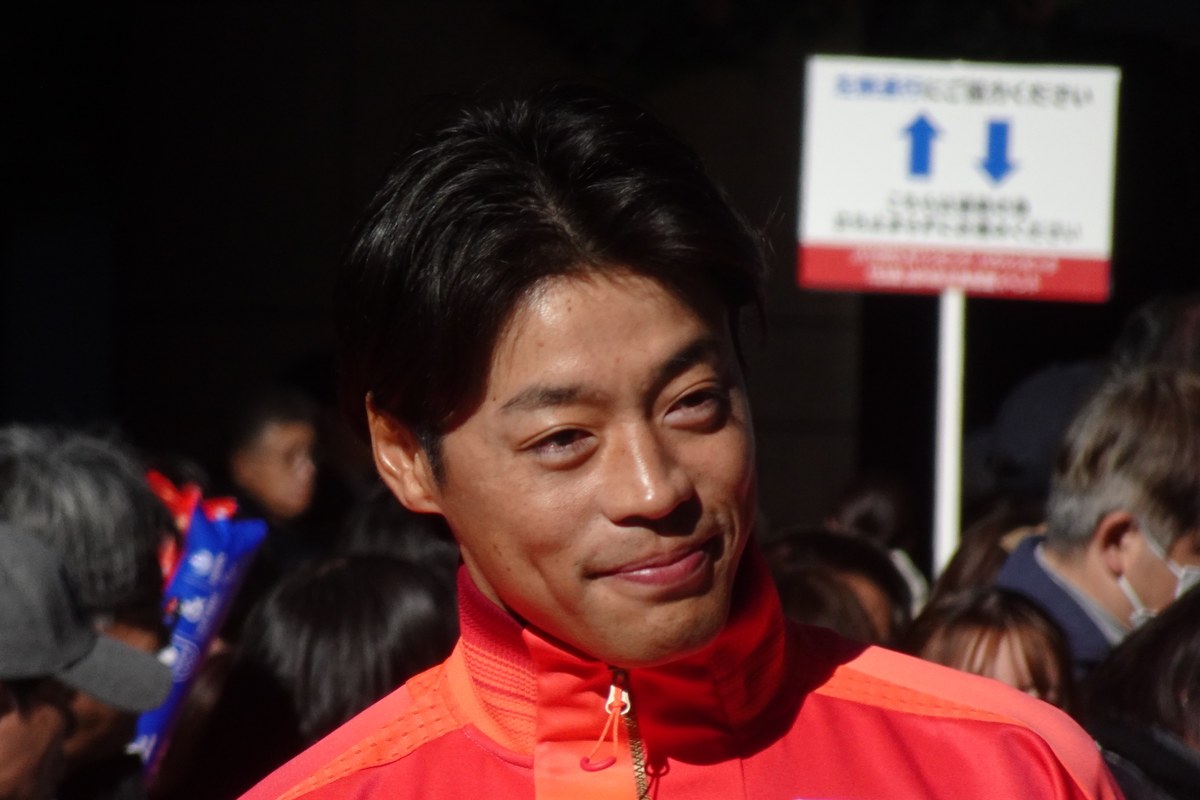
Takuya Haneda · Team Japan Paris 2024 thank-you event (Nihonbashi, Tokyo, Nov 2024) · 📷 See Haneda’s Instagram post · Photo RuinDig/Yuki Uchida · Wikimedia Commons original · CC BY 4.0
Japan moved only after that. In July 2019, ahead of the Tokyo 2020 Olympics, Japan’s first artificial whitewater venue, the Kasai Canoe Slalom Centre, opened in Tokyo’s Edogawa ward, built for about 7 billion yen (about US$64 million at the time). Since 2022 it has also been open to the public for rafting and leisure. Within a few years of having a home course, the results began to change. In October 2023 Kasai hosted the Asian Championships, which doubled as the Asian qualifier for Paris 2024, and Japan took four gold medals on home water — Haneda won the men’s C1. Then, at the 2025 World Championships in Australia, Japan won silver in the men’s kayak team event: Japan’s first-ever medal at the Canoe Slalom World Championships. The whitewater Haneda once had to travel to Slovakia to find now waits for Japanese paddlers in Tokyo.
Korea’s first international-standard slalom venue is being pursued in Ulsan, but design work has not yet begun. Even if it opens in 2028 as the plan says, it will be nine years behind Japan — the gap that has opened between two countries that started on the same river in 2005.
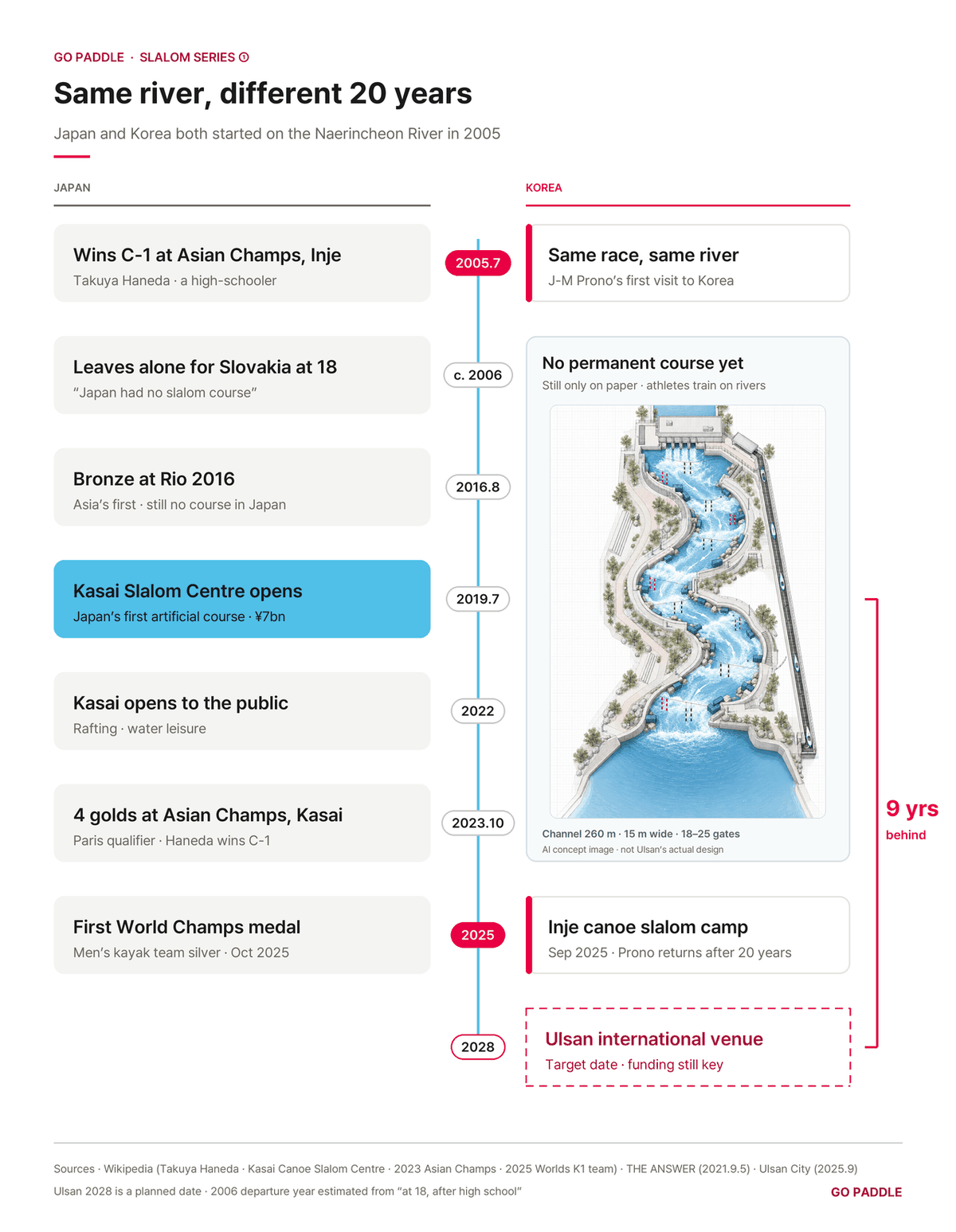
Part 3 of this series follows what set them apart.
|
|||||||||||||||||||||||
|
“Sorry for the sprint people”
On the morning of day three, Jean-Michel Prono opened his lecture with a smile — and a line that is also the central question of this series.
As the two gold medals from Aichi show, sprint is still the backbone of Korean canoeing. But slalom, on rough water, is what can bring canoeing’s face to the wider public.
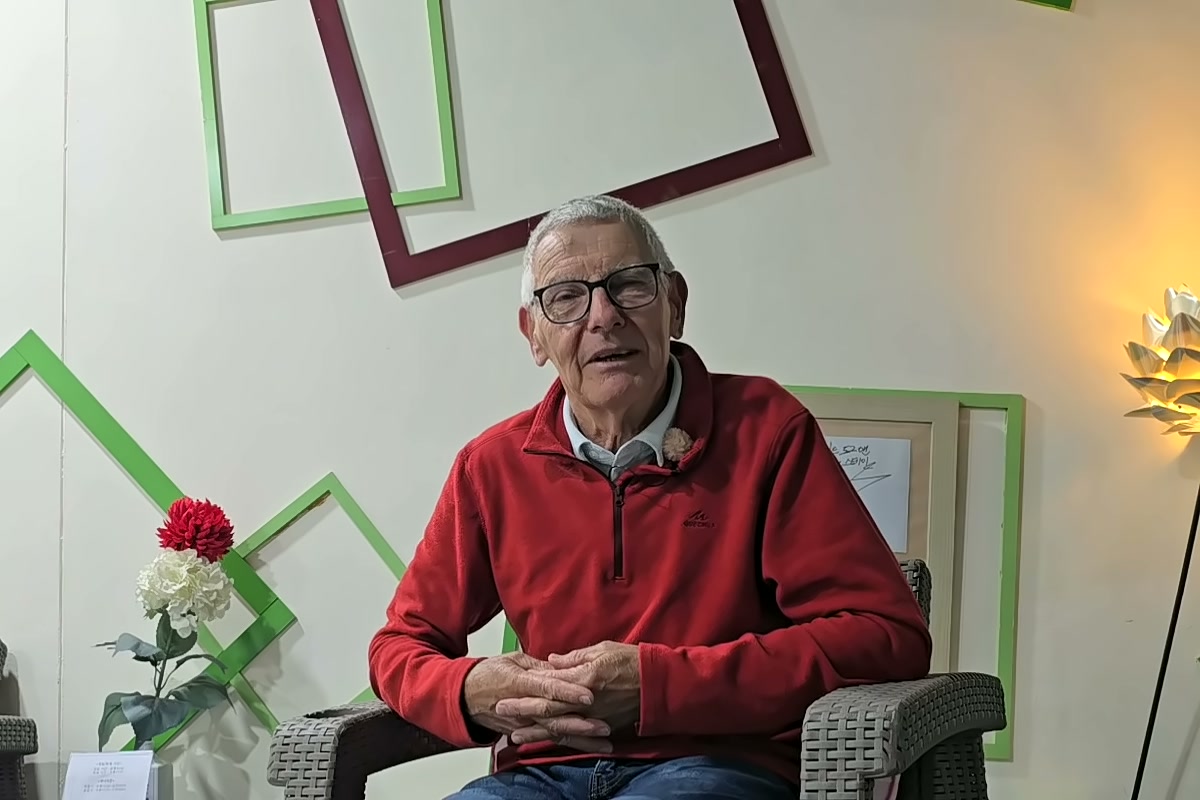
The focus of Part 2 · Jean-Michel Prono, former ICF Slalom Committee Chair · Inje, 2025.9.17
|
|||||||||||||||||||||||
|
Sources · 2005 Asian Canoe Slalom Championships (Inje) · Olympics.com: Takuya Haneda · ICF: slalom terms & technique · NBC: canoeing rules · ICF: canoe slalom discipline (course design) · Kasai Canoe Slalom Centre · 2023 Asian Canoe Slalom Championships (Kasai) · 2025 World Championships men’s K1 team · Financial News (2024.9.11) Ulsan–ICF agreement · Ulsan MBC (2025.9.2) venue budget · ICF (2025.4.9) LA28 program & quotas · Seoul Shinmun (2026.9.24) men’s K4 500 m gold · Etoday (2026.9.25) Cho & Kim double gold · News1 (2026.9.20) sprint team departs · News1 (2026.9.26) slalom team departs
Some Wikimedia Commons photos are cropped. Currency conversion uses the 2019 average rate (US$1 ≈ ¥109). |
|||||||||||||||||||||||
|
GO PADDLE collects news on canoeing, kayaking, SUP, surfing and wing foiling for instructors and paddlesport businesses in Korea.
🛶 The Asian Games canoe slalom races run from September 29 to October 2. Please cheer on Korea’s three slalom athletes on the rapids.
|
|||||||||||||||||||||||
Did someone forward this to you?
📩 Subscribe to GO PADDLE
|
|||||||||||||||||||||||
| ▲ Back to top | |||||||||||||||||||||||
|
GO PADDLE All lecture notes, interviews, photos and video in this article were reported and filmed by GO PADDLE. |
|||||||||||||||||||||||
| GO PADDLE newsletter · Korean original sent 2026.9.29 |